Define the work envelope
Start with where the machine can sit and how far the task sits from that base position. If the job is directly overhead on a smooth floor, a slab electric scissor usually fits. If the path is rough or the target is offset, look at rough‑terrain scissors or booms.
Albuquerque‑specific factors
- Elevation: Electric models retain consistent performance indoors; engine‑powered units may feel less responsive at altitude.
- Regional climate: Outdoor operations must account for gusty periods. Actual conditions, the selected unit’s instructions, and site procedures govern elevated work.
- Industry mix: Stage rigging, racking changes, and exterior façade access often occur on tight timelines, so maneuverability and platform setup time matter.
Scissor vs. boom
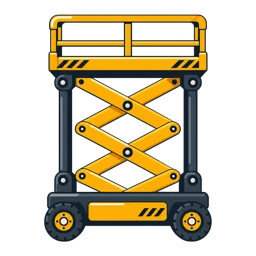
- Scissor lifts: Larger, stable platforms for straight‑up work. See /electric-scissor-lift-rental/ for indoor slab units and /rough-terrain-scissor-lift-rental/ for exterior work.
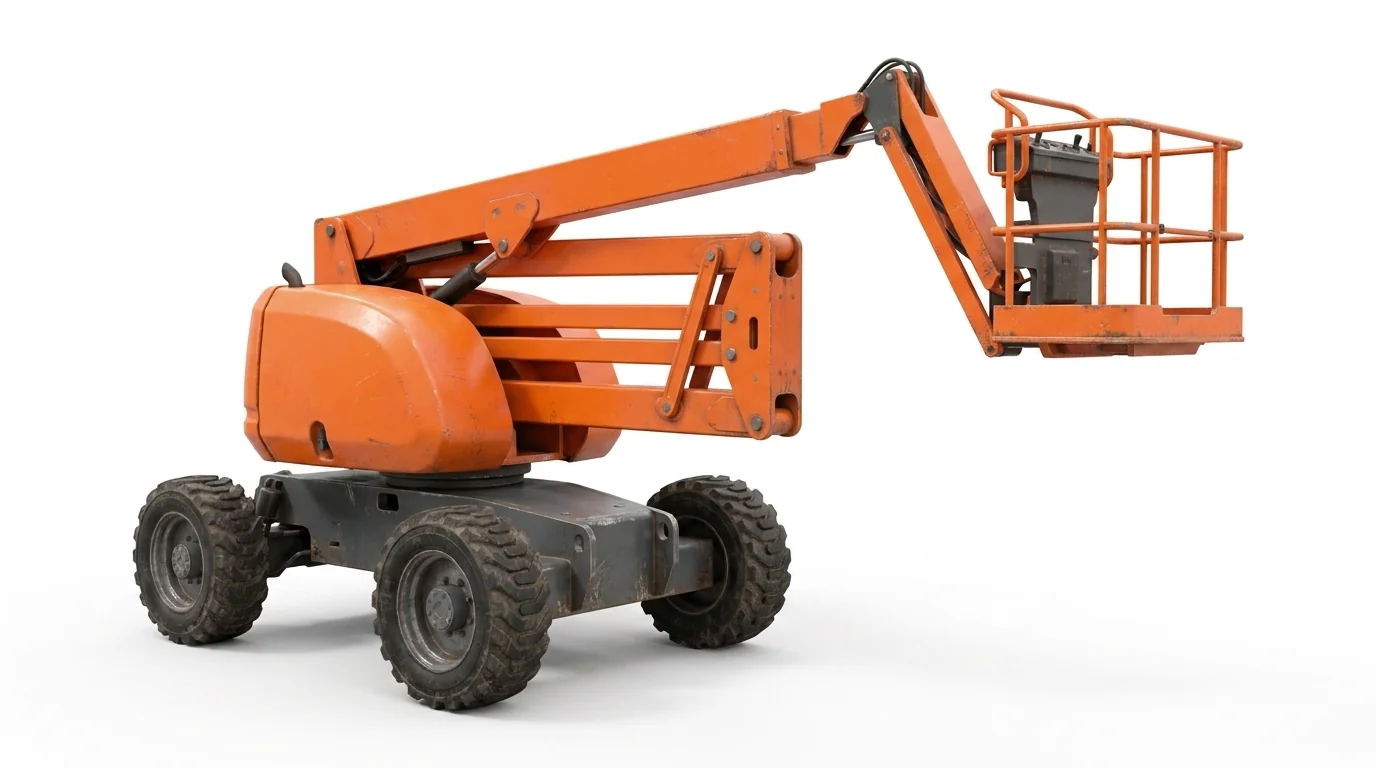
- Articulating booms: Up‑and‑over reach to clear obstacles like piping or set walls. Explore /boom-lift-rental/.
- Telescopic booms: Long horizontal reach where approach is limited; compare at /boom-lift-rental/.
Narrowing the choice
- Height and outreach needed
- Aisle width, door size, and floor loading
- Surface type from staging to workface
- Platform size and capacity for tools and materials
Related equipment paths
If the task involves unloading and staging materials, a /forklift-rental/ or /telehandler-rental/ may complement the aerial lift plan. For nighttime exterior work, consider /generators-light-towers-rental/.