Begin with surface, slope, and target height
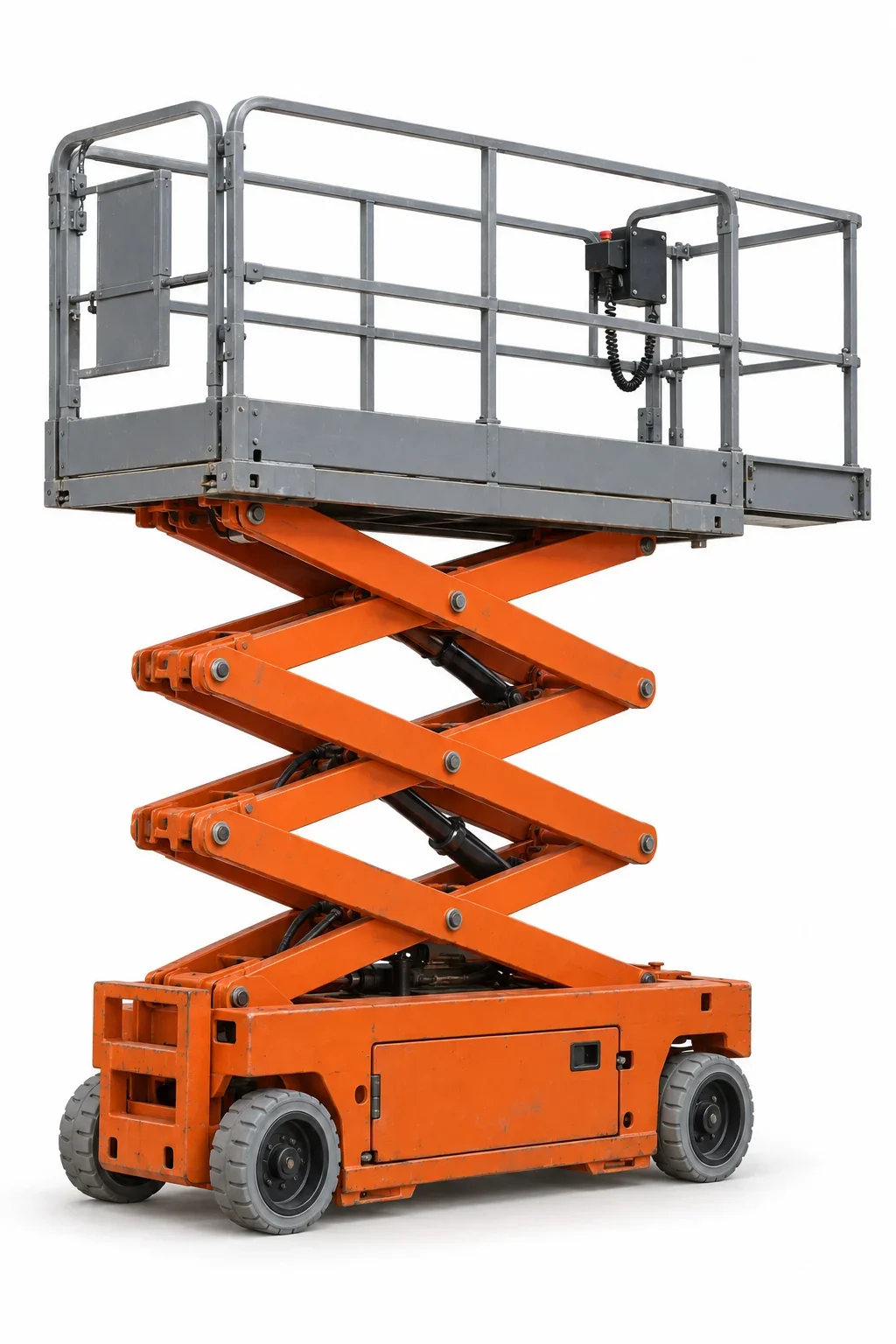
The machine must sit beneath the task. Rough‑terrain scissors handle dirt, gravel, and uneven slabs better than slab units. Confirm grade near the work, the travel path from staging, and the platform height needed for signage, glazing, or rigging.
Local elevation and climate considerations
Higher elevation can influence engine response during travel and lifting under load. Plan for performance margins when selecting platform capacity and gradeability. Gusty periods are common in the regional climate; actual site conditions, the selected unit’s instructions, and site procedures determine if operations pause.
Platform capacity and deck configuration
- Large platforms: Room for materials, panels, and multiple trades
- Dual deck extensions: Reach the work without frequent repositioning
- Guardrail height and gate style: Match handling needs for awkward materials
Tires, ground clearance, and staging
Aggressive tread and higher clearance help clear compacted dirt, cable protectors, and rebar mats. Map the travel path from drop‑off to workface, including ramps, lot transitions, and any soft spots after precipitation.
When outreach is required
If the work is offset from the base—over canopies, landscaping, or equipment—consider a boom lift. Compare options at /aerial-lift-rental/ or see /boom-lift-rental/ for articulating and telescopic choices.