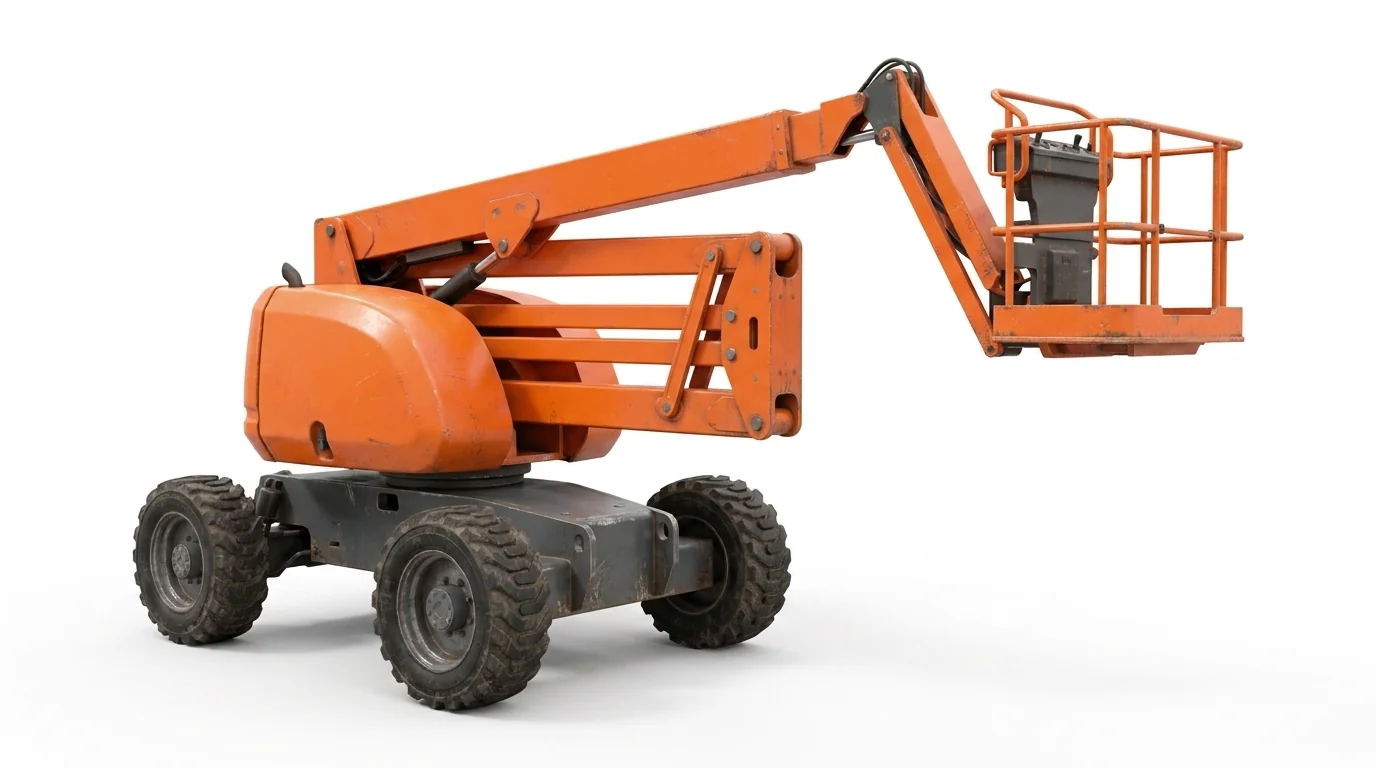
When a telescopic boom makes sense
- Clear approach to signage, cladding, or antenna work
- Long reach across landscaping, setbacks, or staging lanes
- Exterior film lighting where fixtures sit high and far from the street side
Can the machine park on firm ground with a straight, unobstructed shot? If yes, a straight boom often minimizes time spent articulating around features.
Local factors to weigh
- Altitude: Combustion power may feel softer at elevation, especially under grade or when traversing. Electric options avoid that loss but prioritize charging windows and duty cycle.
- Wind exposure: Large jibs and baskets present sail area. Albuquerque’s open pads and ridge-adjacent sites can see inconsistent gusts. The selected unit’s instructions, site policies, and the day’s conditions set the go/no-go.
Sizing checkpoints
- Required horizontal reach from the park point to the workface
- Platform height to clear rooflines or lighting aims
- Chassis width and turning radius for gates and service roads
- Tire type and ground clearance for industrial yards vs. interior slabs
If obstacles block a straight path, compare up-and-over capability at /articulating-boom-lift-rental/. For lift tasks involving multiple people and materials on slab, see /electric-scissor-lift-rental/.
Indoor vs. outdoor
- Indoor stages and high-bay interiors typically limit emissions and tire marking; electric models align with those policies but need power planning.
- Exterior work around industrial sites or backlots may require rough-terrain packages and foam-filled or air tires for uneven surfaces.
Related categories
- Need more people and deck space on slab? /electric-scissor-lift-rental/
- Working around obstacles? /articulating-boom-lift-rental/
- General comparisons across aerial types: /aerial-lift-rental/